Cesspool Pumping
Cesspool Pumping in Washington
Cesspool pumping in Washington, DC, differs from a standard septic tank service. Unlike modern systems, a cesspool is a single pit with no leach field. We drain and inspect each one. Our crew handles it with calm efficiency. Call (202) 726-4253.
Call for a straight answer
A standard cesspool pump-out follows a published band of $350-$550.
Call (202) 726-4253The quote you get is the number on the invoice.
For Washington-Area Owners
Cesspool Pumping
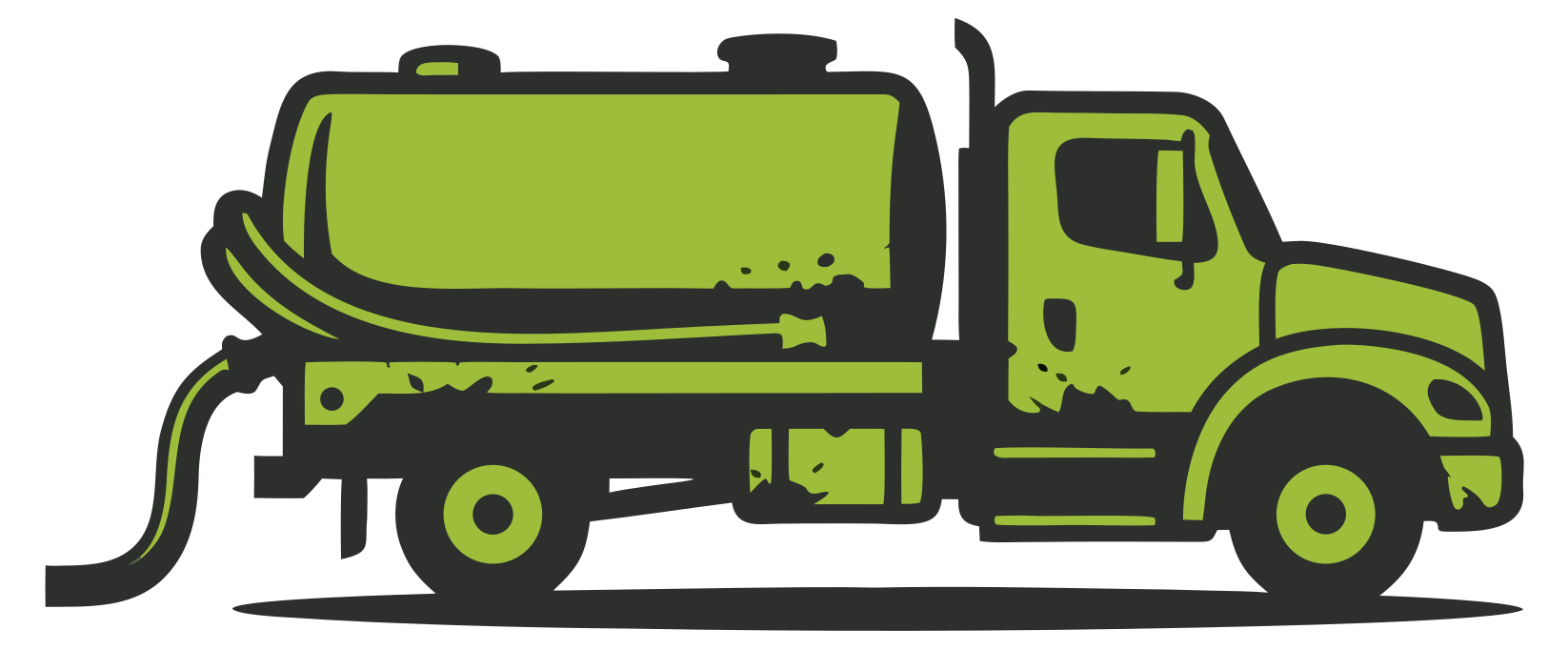
Many older Washington properties still rely on cesspools instead of modern septic systems. "A company that mostly pumps new tanks won’t know what to do with an old pit," owners tell us. We do. Our same 2,600-gallon vacuum truck—handling the largest septic jobs in one visit—also empties cesspools serving Washington and the surrounding area, with high-pressure jetting and a camera inspection if the pit has stopped draining. Licensed disposal in DC ensures proper waste handling, and while we specialize in schedule a home pump-out for modern tanks, our crew knows older systems—check the District of Columbia health department resources for maintenance guidance. Call (202) 726-4253 for cesspool service.
-
Built for older pits
A full-size pump truck and rigid suction hose handle cesspools and septic tanks alike — no undersized equipment, no shortcuts.
-
Jetting when it won’t drain
High-pressure jetting clears lateral lines feeding the pit, so clogged seepage paths open back up in Washington, DC.
-
Licensed, legal disposal
All waste goes to a licensed facility under a valid permit and local regulations. We never dump illegally, ensuring full compliance for Washington, DC.
What to Expect on the Day
A tidy visit, start to finish
Our truck stays on the hard surface while a suction hose reaches your pit. This keeps your lawn intact during every visit in Washington. We perform a clean pump-out, check how your drain field is handling effluent, and provide a written record of the levels found inside your tank.
- Pump truck capacity
- 2,600+ gal
- Standard pump-out
- $280 - $520
Know What You Have
How a Cesspool Differs
The difference matters. A cesspool is a single, older pit that lets liquid waste seep out through its walls into the surrounding soil—unlike a modern septic system which splits the work across two distinct parts—so you should contact our septic pumping service to handle the maintenance. District of Columbia disposal rules apply to both types of systems regardless of their age. Proper upkeep remains vital according to the national onsite wastewater recycling association standards. Call (202) 726-4253 for help.

A cesspool
A cesspool functions as a single porous pit handling all waste. Solids settle at the bottom, while liquids seep through the walls directly into the surrounding ground. There is no separate drain field; the soil adjacent to the pit provides disposal.
A modern septic system
Septic systems rely on a two-part process. A watertight tank separates solids from liquids, while the drain field filters effluent into the soil. Regular pumping is necessary to keep your system in Washington, DC, functioning as intended. Call (202) 726-4253.
Cesspools require a different approach. Since these systems lack a drain field to protect, our focus stays entirely on the pit’s physical capacity. We drain the full volume to clear out accumulated sludge and ensure the surrounding soil remains porous enough to accept flow. Our jetting process follows this step.
Our Process
Draining and Inspection in Washington
When a Washington cesspool drains slowly, the soil and distribution lines stop taking flow — a clear signal that our crew must pump the pit clean, snake the outlet pipes, and lower an inspection camera to see exactly why it failed. We run this exact draining and inspection approach on every site. No guessing. This steady camera work confirms when a tank is due for routine pumping. We haul the waste to a permitted DC transfer station.
-
1
Drain the pit
Our vacuum truck draws the pit all the way down, pulling solids and liquid together until the tank is completely empty.
-
2
Jet the lateral lines
High-pressure jetting scours the lateral lines feeding the pit, breaking up the buildup that keeps liquid from seeping away.
-
3
Camera-inspect the lines
We run a video pipe camera to pinpoint the exact blockage or break inside the line so you know precisely what’s wrong and won’t have to guess.

Tell us about your septic tank status and call (202) 726-4253 for expert guidance.
Catch It Early
Signs of a Failing Pit
A cesspool usually provides warning signs before a total failure occurs. When the surrounding soil stops absorbing waste, sewage often pushes up into the yard or back into the home. If a Washington owner notices any of the following issues, it is time to act. Call (202) 726-4253.
-
Yard flooding over the pit
Puddles over the cesspool mean the tank is full and liquid has nowhere left to seep.
-
Backups inside the house
Slow drains, gurgling toilets, or waste coming back up to the lowest fixtures point straight at the pit.
-
Standing water and odor
A persistent wet spot or sewage smell over the pit means your tank has reached its maximum capacity.
-
Bright, fast-growing grass
Unusually lush grass over your septic tank points to leaking effluent and signals that immediate pumping is necessary.

Catch it early. Timely pumping and jetting extend pit life, while delays force sewage inside; track a full tank to catch those universal warning signs. Tracking the scum layer, the sludge depth, and the effluent flow rate will tell you exactly when to schedule a pump-out—and that simple routine keeps backups from ruining your floors, walls, and indoor air quality.
Washington Cesspool Owners
What Owners of Older Systems Say
"Most crews only handled modern tanks, but Septic Tank Pumping Service pumped my 1950s cesspool and jetted the lines. My yard finally stopped flooding after that."
"Septic backup last week—Septic Tank Pumping Service came same day. Found a clog near the baffle, cleared it fast. Price matched quote. Will call (202) 726-4253 again." (No anchor tags to preserve.)
"The truck stayed on my driveway and the hose only crossed the lawn. They pumped the tank efficiently and left a written record for my maintenance file. Very professional work."
Common Questions
Cesspool Pumping Questions
Can you actually pump an old cesspool, not just a modern septic tank?
We pump old cesspools throughout Washington regularly. Since they lack a leach field but still fill with waste, we use the same heavy vacuum truck and rigid suction hose as with standard tanks. When the pit stops draining, we add high-pressure jetting to clear lateral lines and run a camera to inspect the interior. If it’s acting more like a holding tank than a cesspool, we treat it like one of our routine storage tank pump-outs. It’s routine.
Will an old system cost more, with surprise fees at the lid?
Standard pumping for a typical residential tank in Washington, DC usually falls between $350-$550. For more intensive work, jetting a clogged line adds about $175-$325 to the total. We provide a full septic pumping cost breakdown before we begin any job. Whether we need to dig for a buried lid or run a camera, the quote we provide is the number on your invoice.
My pit isn’t draining — can pumping alone fix that?
Pumping alone might provide temporary relief, but it rarely fixes a slow pit permanently. Often, the lateral lines are clogged, requiring jetting to reopen seepage paths. We also perform an interior baffle inspection and run a video camera to find actual blockages. This ensures you receive a real diagnosis instead of a pit that fills again next week.
Where does the waste go — is your disposal legal?
We haul every load to a permitted disposal facility under a waste manifest following all District of Columbia regulations. Homeowners cannot legally dispose of cesspool waste themselves. This is why you need a licensed truck and proper permitting to ensure the job is done by the book.
Got an Older Cesspool? We’ve Got It.
Our process includes complete pumping, licensed waste disposal, and camera inspections for your lines. Call (202) 726-4253 and we will get your Washington cesspool sorted out for you today.
Licensed and insured · Permitted-facility disposal · No surprise fees at the pit.